Rebuilding Your Foundation
Bone grafting for
implants.
If there isn't enough bone to support a dental implant, we can add graft material to help rebuild it — a common first step that gives your future implant a stable foundation.
AccreditedAustralian Dental AssociationRACDSICOIAACD
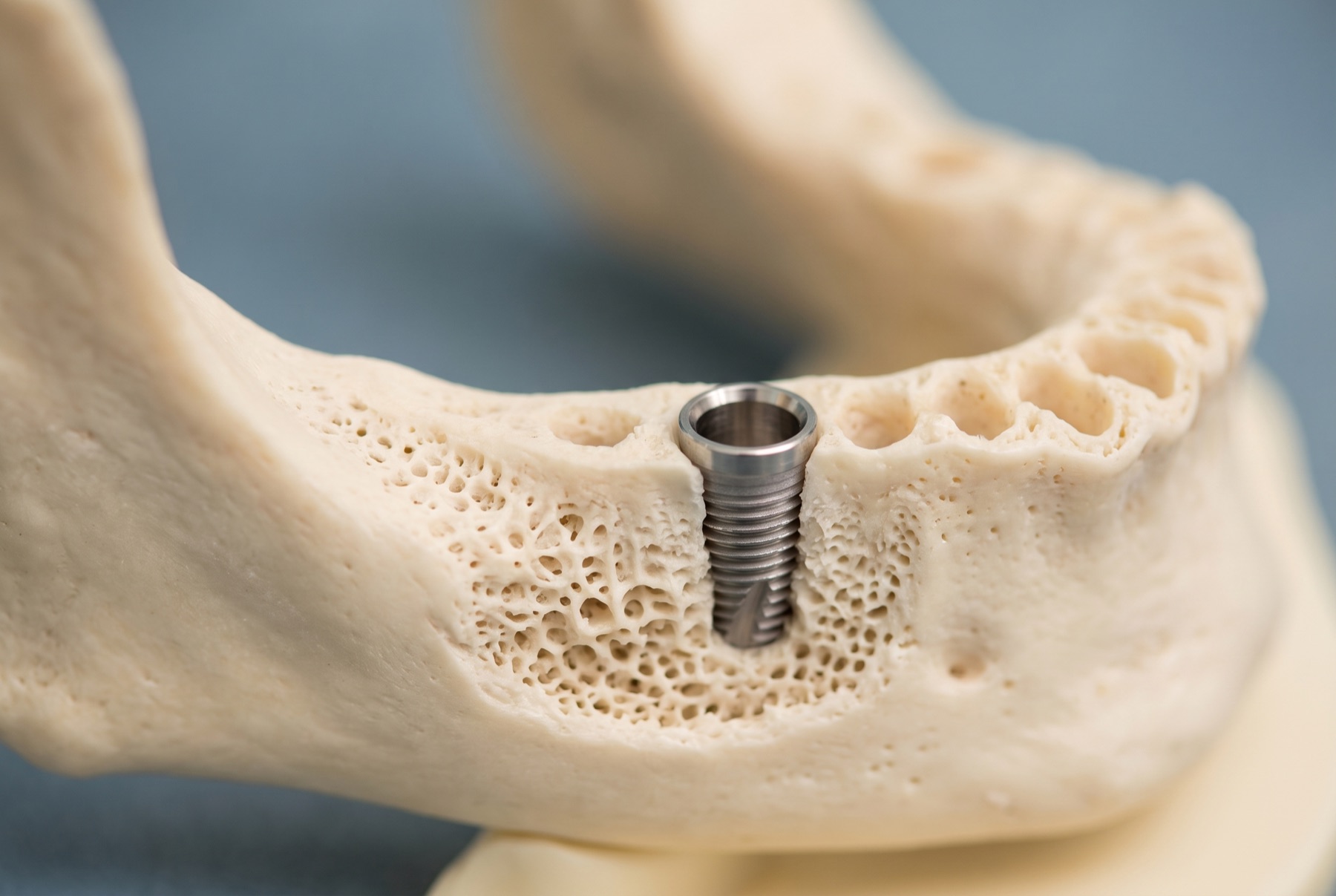
Why a bone graft may be needed
A bone graft adds material to areas of the jaw where bone has thinned or been lost, encouraging your body to build new bone over time.
Dental implants need a certain amount of healthy bone to hold them securely. When a tooth has been missing for a while, or when gum disease or an extraction has reduced the surrounding bone, a graft can help restore enough structure to make an implant possible.
How a bone graft works
A scaffold your body grows into.
A bone graft acts as a scaffold placed into the area that needs rebuilding. It holds the space and gives your body a framework to work with, so your own bone tissue can gradually grow into it and regenerate. Over the following months, the graft integrates with your natural bone, creating the solid base an implant needs.
Graft materials
Four types of bone graft.
Autogenous
Uses your own bone, usually taken from another site in your mouth or body.
Allograft
Uses processed, safety-screened bone sourced from a human tissue bank.
Xenograft
Uses safety-screened bone from an animal source, most often bovine (cow).
Alloplast
Uses a synthetic, biocompatible material rather than natural bone.
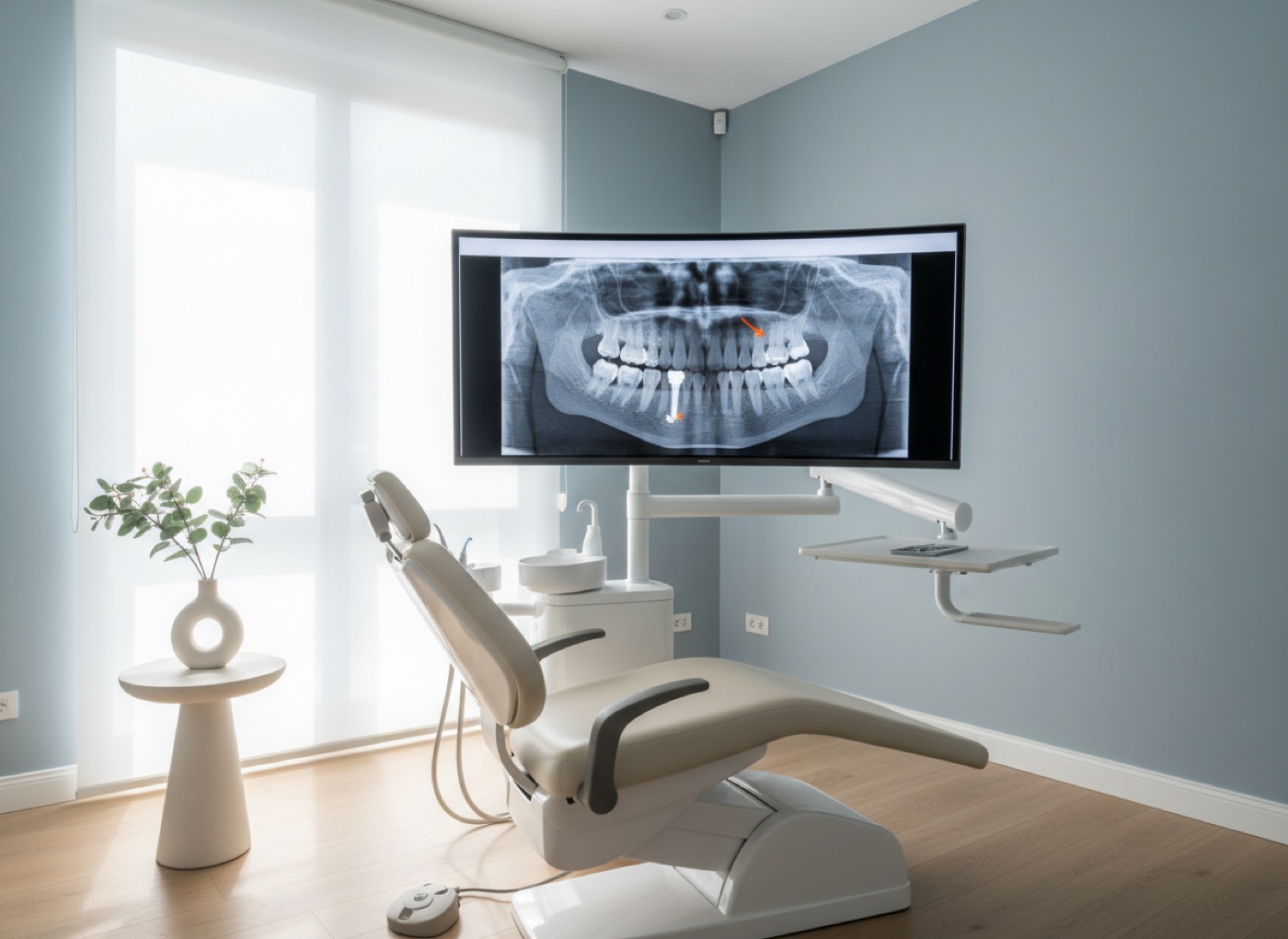
Who needs one
You may benefit from a graft if…
- You don't currently have enough bone to support a dental implant.
- Bone loss has made wearing dentures uncomfortable or difficult.
- A tooth extraction has left a noticeable amount of bone loss behind.
- Your jawbone needs rebuilding after an injury or a condition present from birth.
Healing & recovery
A graft needs time to integrate with your natural bone before an implant can be placed, and this varies from person to person. We'll talk through what to expect for your situation at your consultation.
Talk to us about your options.
Book a consultation and we'll assess your bone and explain whether a graft could support your treatment — with dentists who speak English, 한국어 and 中文.
Bone graft outcomes and healing times vary between individuals. Graft suitability, materials and pricing are assessed and confirmed at your consultation.